+91 95393 05450
spellinternationalpvtltd@gmail.com
Follow Us:

Our Projects

Some Of Our Wonderful Projects

PET ( Polyethylene Terephthalate )

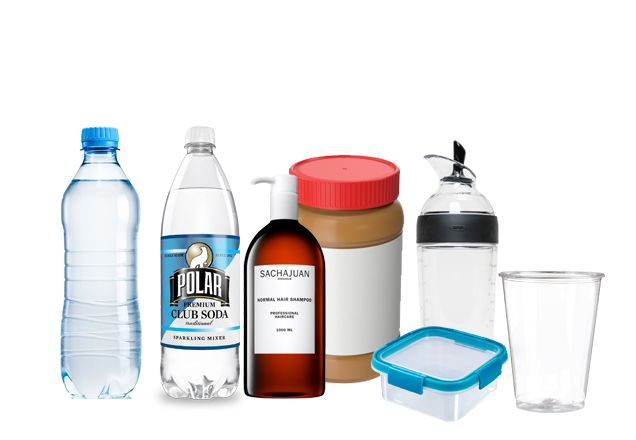
Mainly we are recycling plastics are PET plastics and HDPE plastics. PET (Polyethylene Terephthalate) is a popular thermoplastic. This material is thin and is perfect for producing low-pressure products. Our house almost certainly contains many products made from PET. Most commonly used for water bottles, shampoo containers, soda bottles, and plastic cups. PET (in the form of polyester) plastics also using for some fabric products. Given below are some products that contain PET plastic.

  • Microwavable containers
  • Salad dressing containers
  • Peanut butter & condiment containers
  • Vitamin containers
  • Lamination on solar panels
  • Automotive wiper arms
  • Automotive engine covers
  • Automotive headlamp retainers


HDPE ( High-Density Polyethylene Plastic Type )
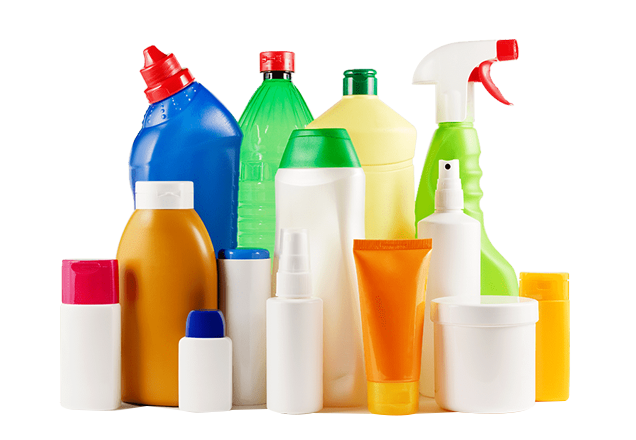
Quite special compared to the other types, High-Density Polyethylene plastic or HDPE has long virtually unbranched polymer chains which makes them really dense and thus, stronger and thicker from PET. HDPE is a plastic type commonly used as the grocery bag, opaque milk, juice container, shampoo bottles, and medicine bottle.
Step by step Method

Plastic Rcycling Process

1: Plastic Waste Collection

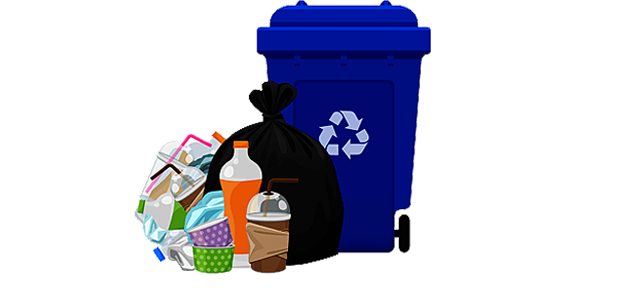
The gathering of post-consumer materials from homes, malls, schools, businesses, institutions, and other locations is the initial step in the recycling process. A municipal government collects this recycling either directly or through a waste disposal contractor. Recycling centers are another method of collection, where the trash disposal contractor collects the material and puts it in a Plastic Recovery Facility. The plastic collection is essential for the recycling system to function properly. The more recyclable plastic collected, the more product can be recycled and repurposed into new goods.


2: Sorting

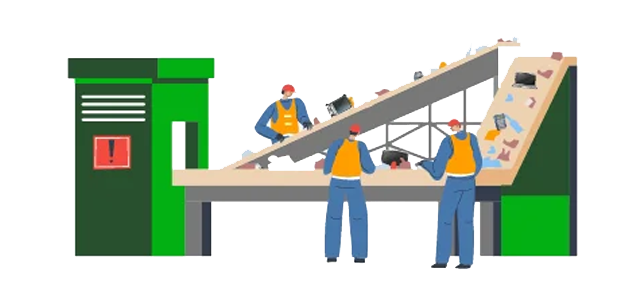
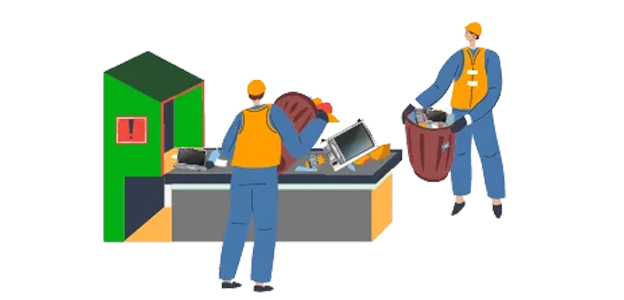
After the collection procedure is completed, the collected plastic must be sorted. Because not all plastic can be recycled, it is critical to separate recyclable plastic from non-recyclable plastic. Other factors such as colour, thickness, and application must also be considered when sorting plastics. Sorting takes place in the Material Recovery Facility. This debris may then be sent to a Plastics Recovery Facility (PRF) for further sorting into various plastic types. Various techniques are used to sort the plastic, such as Manual picking, trommels, old corrugated cardboard screening, Ballistic Separator, Magnet Separator, Optic Sorting Machine, Sink-float Separator and so on.


3: Washing

Cleaning is an essential stage in the plastic recycling process because it removes contaminants that might hinder or damage a batch of recycled plastic. Cleaning makes the rest of the procedure go more smoothly. Impurities such as product labels, adhesives, debris, food residue are typically targeted in this stage.


4: Shredding

Shredding or grinding plastic into tiny flakes is an important step in the recycling process. Based on the shredder's classification and procedures, the plastic is shredded in various ways. Any leftover contaminants can be cleaned by breaking down the plastic into tiny pieces. Before choosing the plastic to make new products, these plastic components are evaluated for class and quality.


5: Extruding

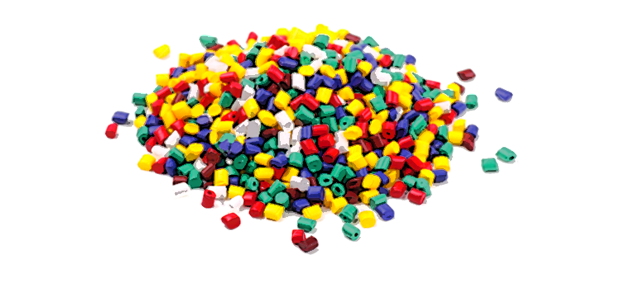
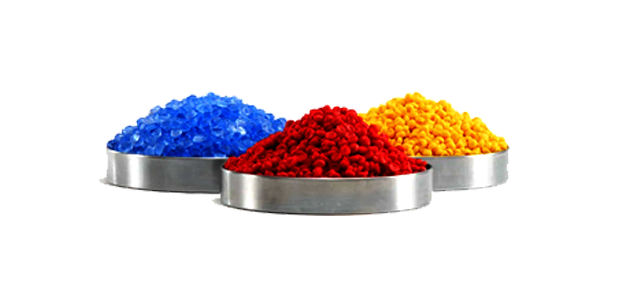
The shredded plastic particles are turned into a viable product for manufacturers in this final plastic recycling process. Extrusion is the technique of melting plastic and pressing it through a machine called an extruder. After the shredded plastic has been melted into pellets, it's sold to manufacturers.